How to Turn a Review Into a Post That Does Not Sound Like Bragging
A simple way to share real praise so it reads as useful proof, not a pat on your own back.
A great review is proof your work is worth paying for. The problem is not the review, it's posting it like a trophy. Shift the focus from "look what they said about us" to "here's a problem you might have too" and it stops feeling like bragging.
Why praise posts feel awkward
Most testimonial posts fail for one reason: the brand is the subject of the sentence. "We're so proud," "Thank you for this amazing review," "We're humbled." The reader has no part in that story. They're watching you accept a compliment, which is fine at an awards dinner and flat on a feed.
Fix this by making the reader's problem the subject, and the review the evidence that it gets solved. The brand becomes the quiet proof, not the headline.
Find the sentence that is actually useful
Most reviews have one line worth building a post around, buried in politeness. Read the whole thing and pull out whichever sentence answers one of these:
- What specific worry did they have before buying?
- What changed, in plain terms, after they used it?
- What did they expect to be hard that turned out easy?
- Would they tell this to a friend who had the same doubt?
Skip the lines that only flatter ("best company ever," "five stars, love it"). Those are nice to read but give the audience nothing to act on. You're looking for the line with a before-and-after shape, even a small one.
 Want this written for your brand?
Fullmedia Alchemist drafts posts from your own website and brand facts, so nothing is made up. Start free, no card.
Four ways to frame the post
Pick the frame that fits the review you have. All four put the reader's situation first and the quote second.
- The worry, named. Open with the hesitation the customer had before buying, in their words or close to it. Then the quote shows what actually happened. This works when the review mentions doubt: "I almost didn't book because..."
- The question, answered. Start with a question you hear often from prospects. Use the quote as the answer from someone who already asked it and found out. Good for reviews that explain a process or a result in detail.
- The small detail. If the review praises one specific, ordinary thing (a reply time, a packaging choice, a feature nobody else mentions), build the whole post around that one detail instead of the overall praise. Specific beats glowing.
- The pattern. If you've gotten the same comment more than once, say so plainly: "A few people have told us the same thing," then share one quote as the example. This reads as an observation, not a boast.
A short structure that works on any network
Keep it to four parts and resist the urge to add your own praise on top of the customer's:
- Line 1: the problem or hesitation, written plainly, no brand name yet.
- Line 2 to 3: the quote, trimmed to the part that matters. Credit a first name or initials if you have permission, or "a customer" if you don't.
- Line 4: one plain sentence connecting it back, without restating how great you are. "That's the reply time we aim for on every order" lands better than "we're so proud of our service."
- Optional close: an invitation, not a sales line. "If you've wondered the same thing, happy to answer" reads as an open door, not a pitch.
Before you post anything, make sure you actually have permission to share the customer's words or photo publicly, especially if you're naming them. A quick message asking is enough, and it protects you both. If you need the wording for that ask, there's a full guide on asking customers for photos and permission.
Reshape it instead of reposting it
One review can become more than one post if you change the angle each time instead of reusing the same screenshot:
- A picture card with the quote as the headline and three short facts about the product underneath.
- A text post that leads with the worry, no image needed.
- A short video or voiceover reading the quote over footage of the product in use.
- A reply to a comment on an older post, where the quote answers a question someone else already asked.
This is the same logic as turning one idea into several formats rather than copy-pasting it everywhere; see one idea, many networks for the general approach, and the promise, proof, next step formula if you want a repeatable shape for posts people actually save.
Where this fits in Fullmedia Alchemist
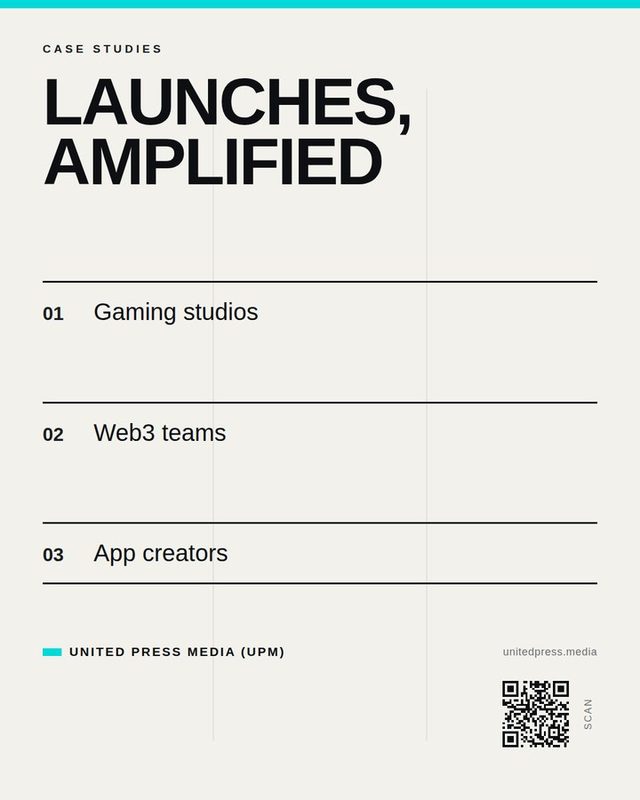
In Content, you can paste a link to the review or page it lives on, and the Alchemist will write a caption fitted to each network along with a picture card using your brand's look, three short facts, and an optional QR code. Nothing is invented: it works from the page you give it and your saved brand facts, so you still review and edit before anything goes out.
What to avoid
- Don't stack adjectives the customer didn't use. If they said "fast," don't post "incredible, life-changing, fast."
- Don't add your own compliment after theirs. Let the quote end the sentence.
- Don't post every five-star review you get. Save the ones with a specific detail or a before-and-after shape, and skip the generic praise.
- Don't edit a quote to sound better without checking with the customer first, even small changes.
Turn your brand into a week of posts.
The Free plan includes 30 credits a month. No card.