Polls and Questions That Don't Sound Desperate for Likes
A practical way to ask questions on social media that get honest answers, plus what to do with those answers afterward.
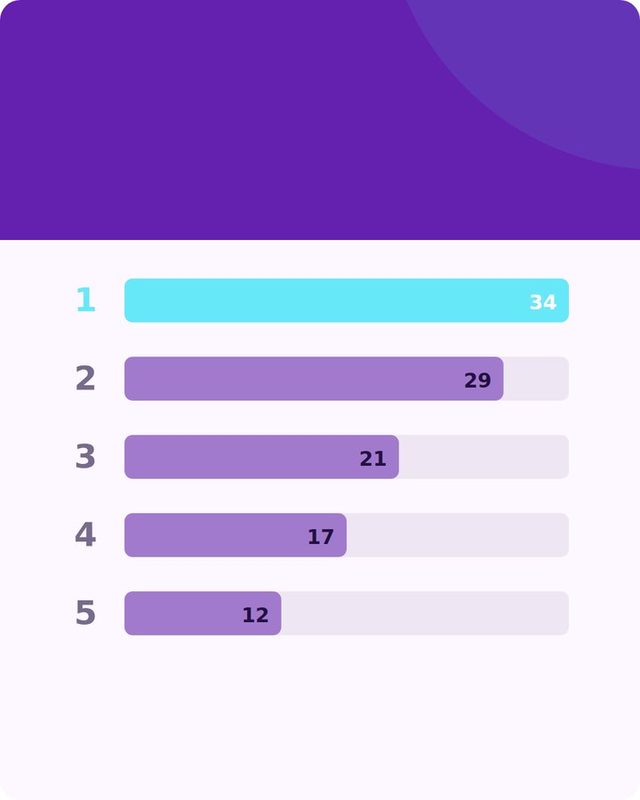
A poll or a question can be one of your most useful posts, or it can read like you're begging for engagement. The difference is almost always in what you do with the answer, not the question itself.
Why these posts go wrong
Most weak polls share the same problem: the question doesn't matter to you. "Coffee or tea? ☕🍵" gets a few taps and tells you nothing. Readers can usually sense when a post exists only to trigger a reaction, and that's what reads as desperate, not the format itself.
A poll should be something you'd genuinely want the answer to, even if nobody replied. If you can't think of a reason you'd care about the result, skip it and post something else. There are plenty of other formats that don't need a response to work, like the ones in 25 post ideas a small business can use this week.
What makes a question worth asking
Good poll and question posts usually do one of these things:
- Settle a real decision. "Which of these two names should we use for the new feature?" You're actually choosing between them.
- Surface a pattern you suspect but haven't confirmed. "Do you check reviews before or after you check price?"
- Replace a guess you'd otherwise make alone. Instead of assuming what your audience wants next, ask them directly.
- Give people a reason to think, not just click. A question that makes someone pause for a second before answering tends to get better replies than one with an obvious right answer.
Avoid questions with only one sensible answer ("Do you like good customer service?") and avoid asking the same type of question every week. Repetition is what makes a tactic feel hollow.
 Want this written for your brand?
Fullmedia Alchemist drafts posts from your own website and brand facts, so nothing is made up. Start free, no card.
How to phrase it so it doesn't read needy
- State why you're asking, in one short line, before the question. "We're choosing between two packaging options and want outside opinions" reads very differently from a bare poll with no context.
- Keep the options specific and short. Vague options force people to guess what you mean, and they'll scroll past rather than ask for clarification.
- Skip the engagement-bait language. Phrases like "comment below!!" or "tag someone who..." tend to read as filler rather than a real invitation.
- Post it once, not on every network every week. If it's genuinely worth asking, one well-placed post on the network where your audience is most active usually beats the same poll cross-posted everywhere on the same day.
- Set a reason to follow up. Decide in advance what you'll do with the answers, even if it's just "share the result next week." That's what turns the post into a conversation instead of a one-off ask.
What to actually do with the answers
This is the part most people skip, and it's the part that makes the whole effort worthwhile.
- Report back. A short follow-up post like "You said X, here's what we're doing about it" closes the loop and shows people their answer mattered. This also gives you an easy second post from a single idea, similar to the approach in One idea, many networks.
- Use it to decide something real. If you asked which product name people preferred, actually pick based on the result, or explain why you didn't. Asking and then ignoring the answer is what erodes trust fastest.
- Turn strong comments into content. A thoughtful reply to your question can become a quote in a future post, a line in your FAQ, or the seed of a longer caption. Save anything useful somewhere you'll find it again.
- Note what worked. If a certain kind of question consistently gets good replies, that's a signal worth keeping. A simple log of which formats and topics perform best over time saves you from re-guessing every week, which is the idea behind What worked where.
Polls versus open questions
Polls are easier to answer, so they get more responses, but the responses are shallow: a tap, nothing more. Open questions take more effort from the reader, so you'll get fewer replies, but each one tends to be more useful. If you want a quick read on preference, use a poll. If you want to understand reasoning, ask an open question and expect a smaller, more thoughtful set of answers. Mixing both formats over time, instead of leaning on one, keeps the feed from feeling repetitive, something covered in more detail in Not every post is a picture: text, thread and poll versions.
Where this fits in your workflowFullmedia Alchemist's Content tool can draft poll and question posts for X, LinkedIn, Instagram and other networks from your brand facts, including options framed in your own tone. You still decide what to ask and what to do with the answers; the tool just helps you get the draft onto the page faster.
A simple rule to keep you honest
Before you post a question, ask yourself: would I still find this useful if only three people answered? If yes, post it. If the only value is in the number of replies, it's not a real question, it's a request for attention, and audiences tend to notice the difference over time even if they can't always name it.
Turn your brand into a week of posts.
The Free plan includes 30 credits a month. No card.